
One workstation can be a critical dependency
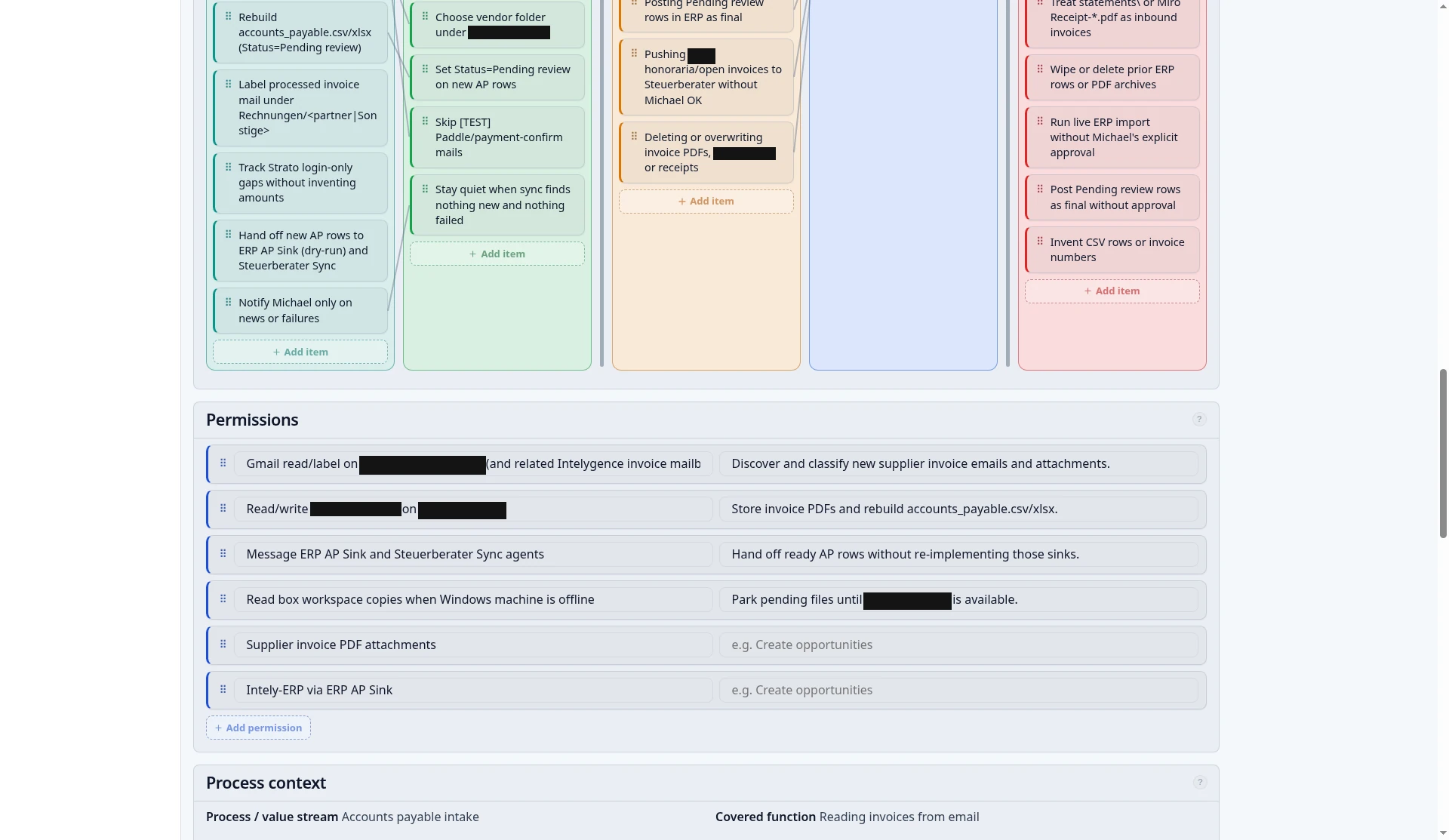
A demonstrated payables process records that the relevant tokens are available only on a named machine. When that machine is offline, the ERP workflow blocks. Other components may be healthy. The business process still cannot finish. An infrastructure inventory that lists the machine, and a process document that never mentions it, will send you to the wrong owner during the outage.
Delegation does not remove a dependency you did not disclose
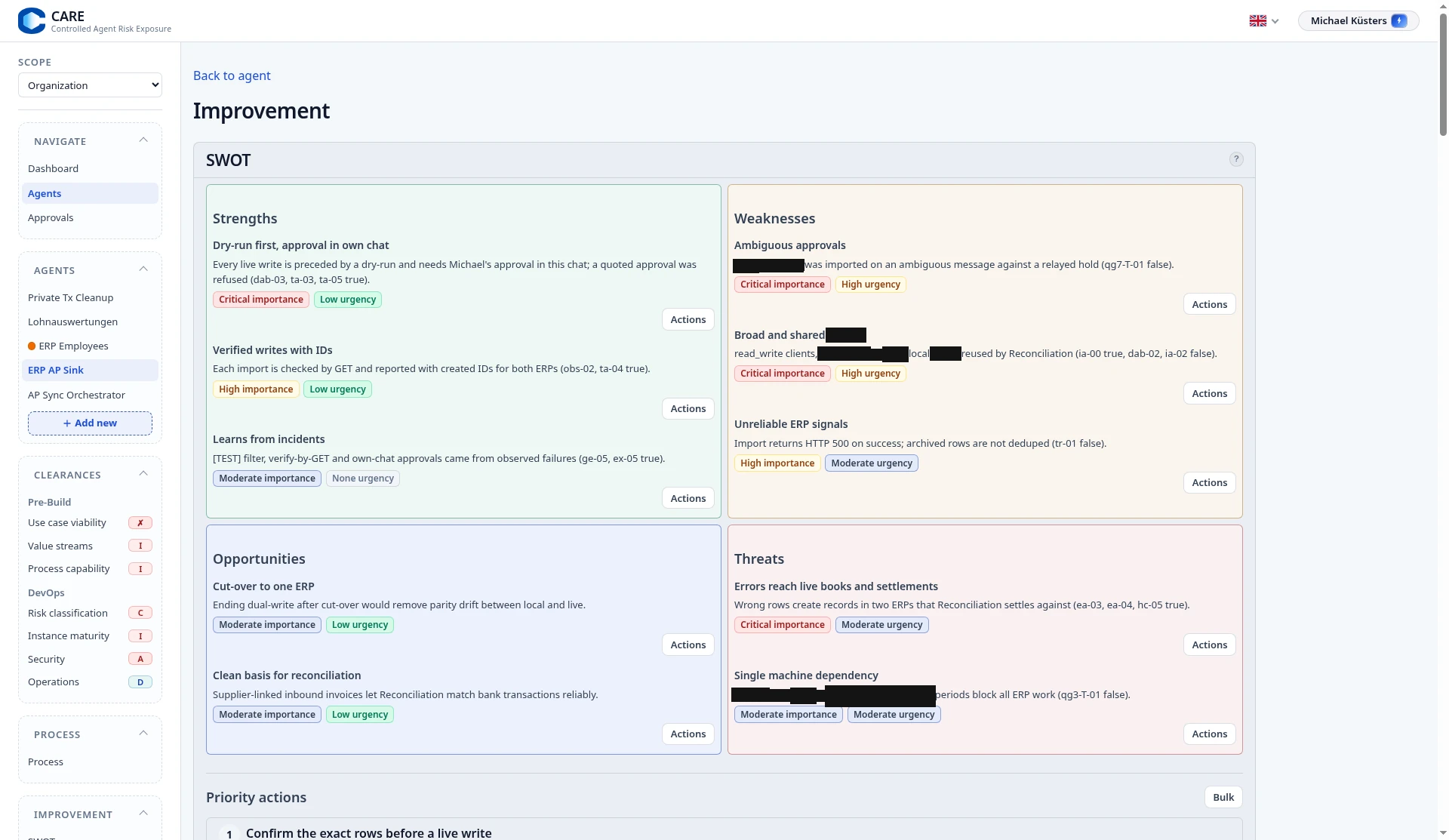
The procedure in the example records the failure and an interim response: report the blockage and resume the dry-run when the machine is available. The assessment names the single-machine dependency as a threat and broad shared tokens as a weakness. The process view and the access view are the same issue seen twice.
You cannot responsibly transfer that process because another party received the steps. The recipient also needs approved access to the credential, a recovery path, and a way the outage is detected and communicated. Otherwise the handover conceals a single machine or a single person.
Decide to remove it, mitigate it, or keep it on purpose
Making the issue legible does not move the credential. Moving it into a resilient store is implementation outside the document. The management decision is which of the three you are choosing, for which scope, and until when. A limited pilot that knowingly retains the machine is a legitimate decision. An unnoticed dependency presented as a transferable service is not.
What continuity actually requires
The process owner, with whoever controls the credential, takes the decision before the next claim that the process can be covered by someone else:
- Name the host and the secret: which machine, which token, what fails when it is absent. If you cannot name it, you are not ready to delegate the process.
- Write the interim: who is told, what work pauses, how it resumes. Write the access risk of a token shared more widely than the task.
- Choose: remove the dependency, mitigate it with a recoverable credential and a stated fallback, or retain it for a named scope and a review date. Record the choice. Do not imply that documenting the machine removed it.
The business is no longer hostage to a fact that lived on one desk. The record of the dependency sits with the process, so the next handover cannot forget it. The technical move, if you chose one, remains a piece of work with its own owner.
Take action now
- Tell your agent to register itself in CARE: https://ai-managementsystem.com/under-care.
- Let the agent establish the management baseline.
- Use the outcomes.